31 August 2012
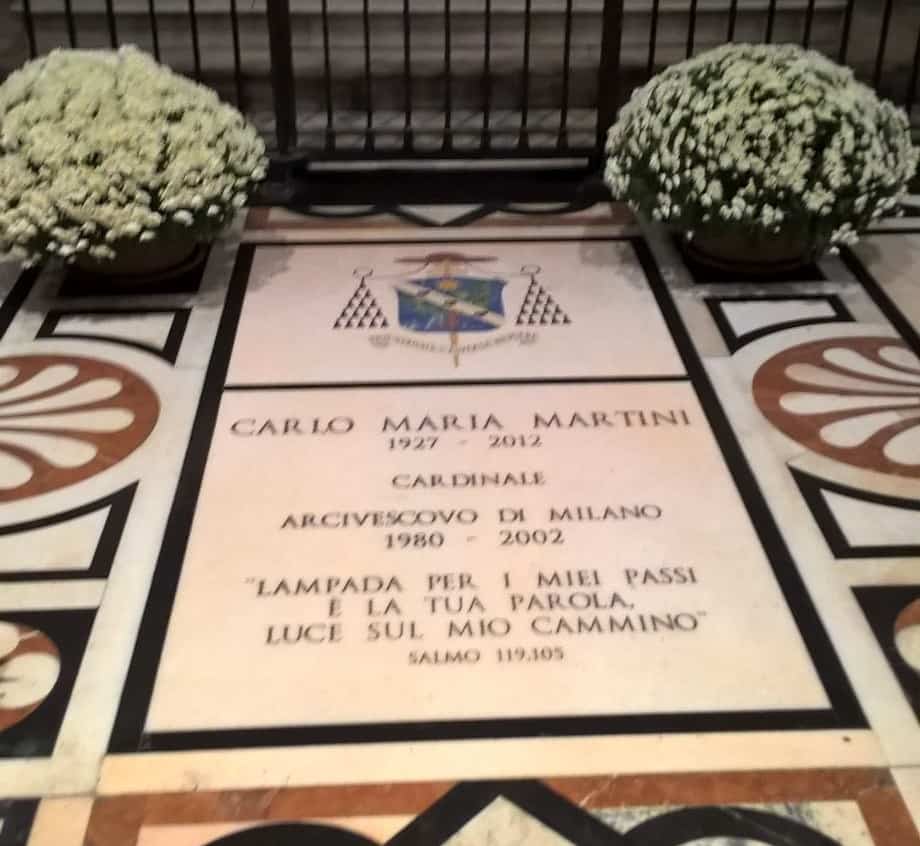
As his illness progressed, his health took a turn for the worse in late August, and he died in Gallarate at 3.45 p.m. on the last day of the month; he is buried in the Cathedral in Milan.

As his illness progressed, his health took a turn for the worse in late August, and he died in Gallarate at 3.45 p.m. on the last day of the month; he is buried in the Cathedral in Milan.
Martini published a booklet entitled Il Vescovo (The Bishop), in which he reflected on the role, choices, problems and risks of the episcopal ministry.
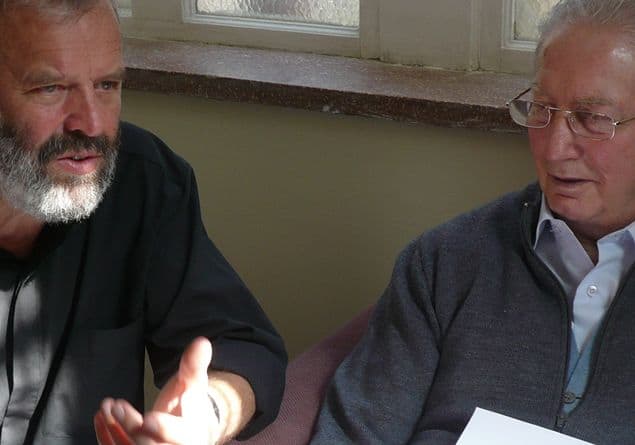
The volume Jerusalem Nachtgespräche (Night conversations in Jerusalem), a collection of the Cardinal’s talks with the Austrian Jesuit Georg Sporschill, was published, first in German and later in many other languages; The book offers an all-round analysis of the...
Around Easter time, his health started to deteriorate, and he decided to return to Italy for treatment, settling in Gallarate.
Martini moved to Jerusalem, where he lived at the Biblical Institute; For a few years, he moved between Israel and Italy, where he lived with the Jesuits of Galloro, near Ariccia (Rome).
Cardinal Dionigi Tettamanzi was appointed Martini’s successor.
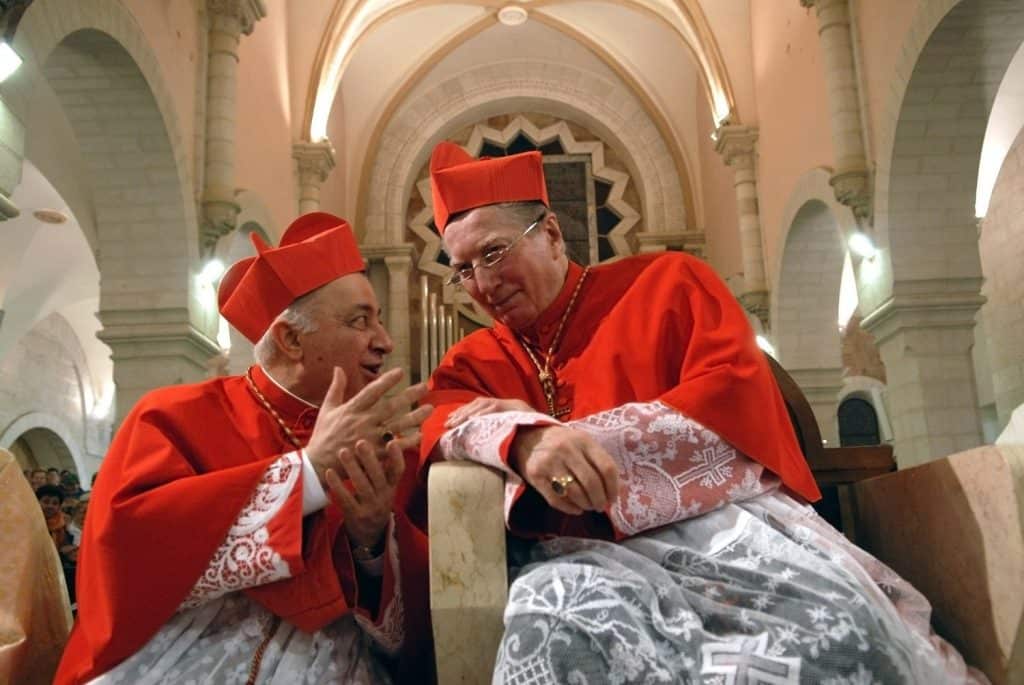
On his seventy-fifth birthday he resigned as Archbishop of Milan, in line with the Code of Canon Law, and waited for the Pope to accept his resignation and appoint his successor.
After the 47th Diocesan Synod, he offered his resignation to the Pope, who rejected it.
He launched the first of twelve Lectures for non-believers, named Cattedra dei non credenti: Reasons behind faith.
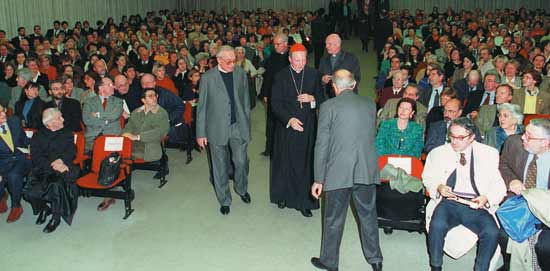
During the 16th Assembly in Warsaw, he was appointed President of the Council of European Bishops’ Conferences (CCEE), a position he held from Easter 1987 to 1993.